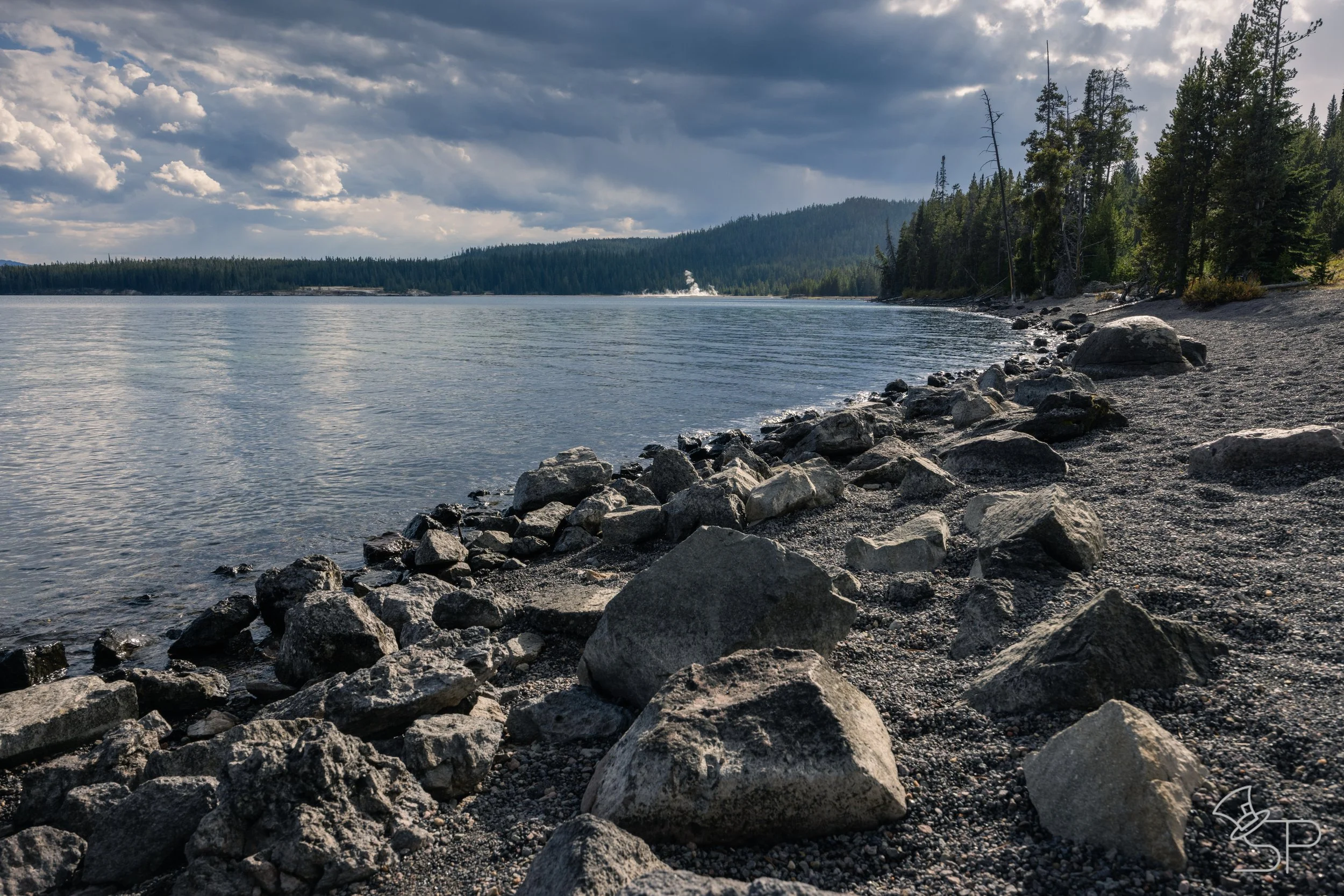
Yellowstone Lake stretches across 136 square miles of high-altitude wilderness, and the question of whether you can swim in its waters comes with life-or-death stakes. This guide covers the official National Park Service regulations, the thermal features that make parts of the lake hazardous, and the conditions visitors face if they choose to enter the water.
Quick answer
Swimming is technically permitted in Yellowstone Lake, but the National Park Service strongly discourages it due to extreme cold water temperatures that average 41°F (5°C) year-round and can cause hypothermia within minutes. The lake sits at 7,733 feet elevation and contains hidden thermal vents on the lake floor that create unpredictable hot spots, making it one of the most dangerous bodies of water in the park system.
Yellowstone Lake holds 7.5 trillion gallons of snowmelt, and nearly all of it stays cold enough to stop a human heart. The lake was carved by glaciers and fed by mountain runoff, but beneath its surface lies a volcanic caldera still active enough to heat scattered pockets of the lakebed to scalding temperatures. The question of whether you can swim in Yellowstone Lake hinges on understanding what cold water does to the body. At the lake's average temperature of 41°F, an unprotected swimmer loses dexterity in their hands within two minutes and full motor control within ten. Even strong swimmers become unable to coordinate their limbs or call for help before they can reach shore. The park records multiple cold-water deaths each decade, most involving visitors who waded in during summer afternoons when air temperatures felt warm and the water looked calm. Surface conditions offer no warning of the physiological collapse waiting below. Thermal features complicate the risk further. Hydrothermal vents dot the northern sections of the lake floor, some releasing water hot enough to cause third-degree burns. These vents create temperature gradients invisible from the surface—a swimmer can move from tolerable cold into scalding water within a single stroke. The park's geothermal survey maps show more than fifty active vent fields beneath the lake, concentrated near Mary Bay and in the West Thumb Geyser Basin offshore zone. No buoys mark these areas, and their exact boundaries shift as underground pressure changes. Swimming in Yellowstone Lake is not prohibited by written regulation, but rangers treat it as a self-rescue situation. No lifeguards patrol the shoreline, and response times for water emergencies exceed twenty minutes even in high-traffic zones. Visitors who enter the water do so under the park's acknowledgment that rescue may not arrive in time. The few who swim successfully tend to stay within ten feet of shore, wear wetsuits, and limit immersion to under five minutes. Even then, the combination of altitude, cold shock response, and unpredictable thermal activity makes the lake one of the park's most unforgiving environments. The lake's beauty from the shore is uncontested, but its water remains hostile to human biology in ways that summer sun cannot overcome.
“At 41°F average temperature, the lake can incapacitate an unprotected swimmer within ten minutes, faster than rescue teams can reach most shoreline zones.”
Yellowstone Lake remains one of the park's most dangerous bodies of water due to extreme cold and hidden thermal features. Swimming is prohibited year-round to protect visitors from hypothermia and scalding.
The best time to visit Yellowstone Lake is during the shoulder months of June and September, specifically within the 06:00–10:00 arrival window to ensure calmer water conditions and manageable visitor volume. Planning your visit for these periods allows you to experience the lake environment while avoiding the peak congestion of mid-summer.
Cool mornings, avg 45°F–65°F
Early arrival ensures smoother water for boat tours before afternoon winds pick up.
Warm days, avg 50°F–75°F
Expect significant congestion; prioritize arriving during the 06:00–10:00 window to secure parking.
Cooler, avg 35°F–60°F
The lake remains accessible and quieter as seasonal visitation begins to decrease.
—
Arriving at 06:00 provides the most tranquil experience on the water throughout the open season.
Verdict: For the most consistent experience, plan your visit for weekday mornings between 06:00 and 10:00 during the month of September.
Access to Yellowstone Lake is governed by the standard Yellowstone National Park entrance fee structure. These fees apply to all vehicles entering the park regardless of your intent to visit the lake.
Verdict: A typical adult pays a total of 135 USD, which accounts for the standard vehicle pass and the required per-person non-resident surcharge.
Yellowstone Lake is situated in the southeastern portion of Yellowstone National Park. Visitors typically access the lake via the Grand Loop Road, which connects to all major park entrances.
US Highway 89/191/287 from South Entrance
US Highway 212/296 from Northeast Entrance
US Highway 20/191/287 from West Entrance
Plan to reach the lake between 06:00–10:00 to avoid peak crowds and ensure better access to parking areas near the water.
Everything you need to know about can you swim in yellowstone lake
While you are not technically prohibited from entering the water, park authorities strongly advise against it because the water remains dangerously cold year-round. Most visitors choose to enjoy the scenery from the shoreline rather than testing the freezing temperatures. Understanding whether can you swim in yellowstone lake requires acknowledging the high risk of hypothermia. Always prioritize your safety over a brief swim in these mountain waters.
Yes, swimming in Yellowstone National Park is generally discouraged outside of specifically designated areas like the Firehole River. Many of the park's lakes and streams feature extremely low temperatures that can lead to rapid onset of hypothermia. Before asking can you swim in yellowstone lake, consider that the survival time in these conditions is often estimated at only 20 to 30 minutes.
Yellowstone Lake stays cold throughout the entire year, with average water temperatures hovering around 41°F (5°C). This extreme temperature is a natural feature of the high-altitude alpine environment. Because the water is so frigid, wondering can you swim in yellowstone lake usually leads to the conclusion that it is not a safe activity for most visitors.
There are no designated swimming beaches at the lake, as the primary focus for water-based recreation is boating, kayaking, and fishing. While some visitors may look for spots near campgrounds, these are not maintained or monitored for swimmers. If you are researching can you swim in yellowstone lake, please note that the park's official swim area is located at the Firehole River, not the lake itself.
Entering the water puts you at immediate risk of cold-water shock and hypothermia, which can incapacitate even strong swimmers within minutes. Local search and rescue teams often advise against entering the lake due to these extreme environmental factors. It is safer to enjoy the lake by boat or from the shore than to attempt swimming in the open water.
It is strongly recommended not to allow children to swim in the lake due to the extreme danger posed by the cold temperatures. The unpredictable nature of the currents and the rapid onset of hypothermia make the lake an inappropriate location for family swimming. Please keep children safe by staying on the designated trails and boardwalks near the water's edge.
Beyond the freezing temperatures, the lake can also harbor bacteria in certain areas, and entering thermal features is strictly prohibited and dangerous. The thin crust surrounding some thermal runoff areas can break, leading to severe burns. Avoid all contact with thermal water and treat the lake's open waters with extreme caution.
Yellowstone Lake Boat Permit Requirements
Read more GuideCan You Boat in Yellowstone Lake
Read more GuideYellowstone Lake Boat Tour Reviews
Read more GuideYellowstone Lake Scenic Boat Tour
Read more Tickets & toursYellowstone Lake Boat Tour Tickets
Read more GuideCan You Rent a Boat on Yellowstone Lake
Read more