Yellowstone Lake Boat Tour
Boating Guide

Can You Boat in Yellowstone Lake

Yellowstone Lake sits at 7,733 feet elevation, making it North America's largest high-elevation lake. Boating is permitted, but the park's aquatic invasive species protocols and high-altitude safety concerns require every vessel to pass through a mandatory inspection before launch. Understanding the permit system and launch-site logistics determines whether your boat touches water.

9 min read Updated 2026-09-30 Fact-checked
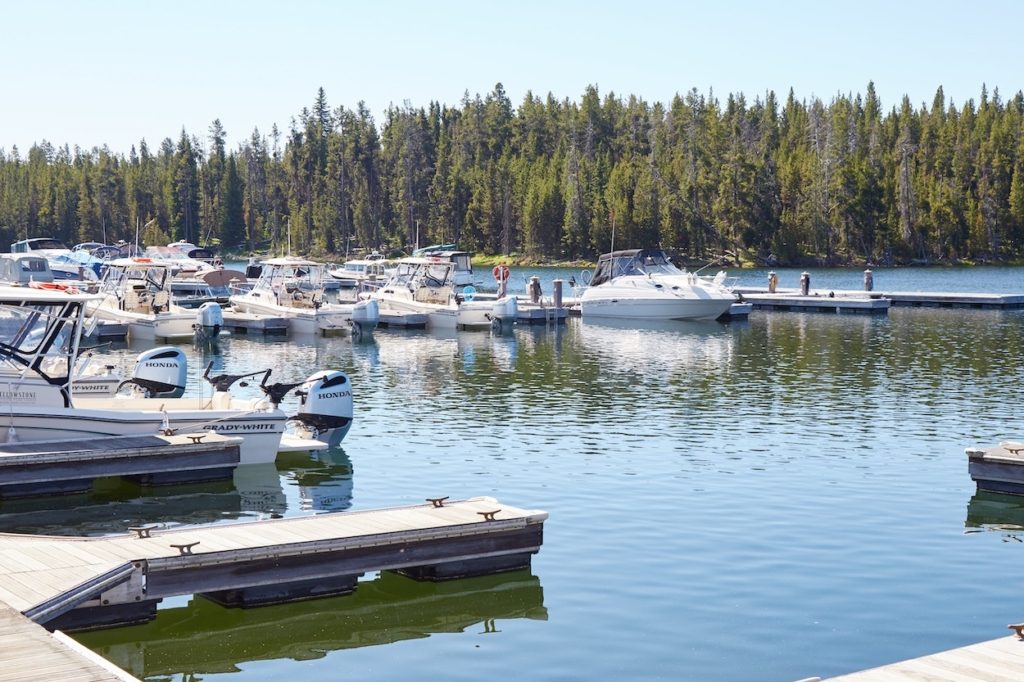
Can You Boat in Yellowstone Lake

Quick answer

Yes, you can boat in Yellowstone Lake, but every vessel requires both a Yellowstone National Park boating permit and a mandatory aquatic invasive species inspection before launch. Motorized and non-motorized craft are allowed from late May through early November, depending on ice conditions. The inspection fee is $10 for motorized boats and $5 for non-motorized vessels, valid for the calendar year. Three launch sites operate on the lake: Bridge Bay Marina, Grant Village, and the less-developed Sedge Bay.

Yellowstone Lake holds 7.5 trillion gallons of water, yet its average summer surface temperature hovers near 45 degrees Fahrenheit—cold enough to incapacitate an unprotected swimmer within twenty minutes. The National Park Service permits boating on Yellowstone Lake because the lake's 136 square miles of navigable water serve both recreational paddlers and anglers targeting native cutthroat trout, but the thermal and biological sensitivity of the ecosystem drives a strict regulatory framework. Every watercraft entering the park—canoes, kayaks, motorboats, sailboats, paddleboards—must stop at an inspection station before reaching the water. Inspectors examine bilges, livewells, and engine compartments for invasive mussels, New Zealand mudsnails, and aquatic plants. Vessels arriving from known-infested waters face longer decontamination protocols. The inspection is non-negotiable; rangers at launch ramps verify the dated inspection sticker before allowing access. This protocol has kept Yellowstone Lake free of zebra and quagga mussels since the program began in 2001. Motorized vessels face additional restrictions. Engines must operate at wakeless speed within 500 feet of shore and near thermal features. The lake's sudden afternoon wind shifts, common from June through September, have capsized boats and stranded paddlers on remote beaches. Weather forecasts issued at ranger stations matter more here than at lower-elevation lakes—conditions change in minutes, and the nearest help can be miles away by water. The park's 24-hour emergency line receives multiple distress calls each summer from boaters who underestimated the cold-water risk or wind exposure. Most visitors launch from Bridge Bay Marina, the only site offering fuel, boat rentals, and a paved ramp. Grant Village provides a concrete ramp and easier access for those staying on the lake's southwest shore. Sedge Bay, a gravel launch on the eastern shore, attracts kayakers heading toward the Promontory or Flat Mountain Arm. All three sites close for the season once ice forms, typically by mid-November. Rangers post seasonal closure dates at park entrances and on the official website as conditions evolve. Boating Yellowstone Lake means operating within one of the planet's largest active volcanic calderas. The lake floor holds hydrothermal vents, and shoreline geysers vent near Pelican Creek. These features exist nowhere else in combination with public boating access. The permit and inspection system exists to preserve that singularity, ensuring the lake remains both navigable and ecologically intact for the next visitor.

“The lake's average summer surface temperature hovers near 45 degrees Fahrenheit—cold enough to incapacitate an unprotected swimmer within twenty minutes.”
How-to

How To Prepare To Boat In Yellowstone Lake

All motorized and non-motorized watercraft require an aquatic invasive species inspection and a boating permit before launching on Yellowstone Lake. The inspection process takes 15–30 minutes, and permits are issued immediately after passing inspection.

  1. 1

    Schedule an aquatic invasive species inspection

    Contact the park at +1-307-344-7381 to arrange your mandatory watercraft inspection at Bridge Bay, Grant Village, or the South Entrance. Inspections are required even if your boat was inspected elsewhere, and many visitors mistakenly assume out-of-state clearances are accepted.

  2. 2

    Bring your watercraft completely dry

    Arrive with your boat, motor, and all equipment (anchors, livewells, bilges) fully dry for at least 48 hours. Inspectors will reject boats with any standing water or damp compartments, which is the most common reason for delays.

  3. 3

    Complete the inspection at your entry point

    Allow the ranger to examine all hull crevices, drain plugs, and water systems for invasive mussels or plant material. The inspector will seal your drain plug after approval, and this seal must remain intact until launch.

  4. 4

    Obtain your seven-day boating permit

    Pay the permit fee and receive your validation sticker immediately after passing inspection. The permit is valid for seven consecutive days and must be displayed on your vessel's port side near the registration numbers.

  5. 5

    Review launch site and weather restrictions

    Confirm your intended launch location is open—some areas close due to bear activity or thermal features—and check wind forecasts, as afternoon gusts above 25 mph frequently force closures. Launch only during calm morning windows to avoid being stranded by sudden weather changes.

Timing

The Best Time To Boat In Yellowstone Lake

The best arrival window for boating on Yellowstone Lake is 06:00–10:00. Navigating during these hours is critical as winds are typically calmer, which reduces safety risks on the water.

Early Morning

Low density

Calmer winds, lower safety risk

Target this window to avoid the afternoon wind chop common on the lake.

Summer Season

High density

Temperatures 60°F to 75°F

Boating is generally available from June through September once ice clears.

Shoulder Months

Moderate density

Temperatures 40°F to 60°F

Conditions remain viable, though visitors must monitor water temperatures and weather changes closely.

Verdict: Prioritize arrival between 06:00 and 10:00 during the mid-summer months of July and August for the most stable weather conditions.

Prices

Entrance Fees To Boat In Yellowstone Lake

Accessing Yellowstone Lake requires payment of the standard park entrance fee combined with mandatory nonresident fees. These charges cover vehicle access and individual entry for park usage.

Standard Vehicle Fee Required for park entry
35 USD
Mandatory Nonresident Fee Per person fee for nonresidents
100 USD
Specific federal recreation passes may provide exemptions for the standard vehicle fee portion of your entry cost.

Verdict: A typical adult pays 135 USD, a total derived from the base vehicle fee and the required per-person nonresident charge.

Etiquette

Rules For Those Who Can Boat In Yellowstone Lake

Yellowstone Lake's high elevation and cold water demand strict safety compliance. The park enforces equipment rules and environmental protections to prevent accidents and preserve the ecosystem.

Do

  • Carry a Coast Guard–approved PFD for every person aboard
  • Keep fire extinguisher, visual distress signals, and sound device accessible
  • Stay at least 100 yards from wildlife along shorelines
  • Operate at wakeless speed within 500 feet of shore
  • Report fuel spills or mechanical leaks to rangers immediately

Don't

  • Don't boat without proper throwable flotation device on vessels over 16 feet
  • Don't dump wastewater, trash, or food scraps into the lake
  • Don't approach thermal features or restricted shoreline zones by boat
  • Don't operate without required navigation lights after sunset
  • Don't ignore weather warnings—afternoon storms develop rapidly on the lake
Opening hours

Operating Hours When You Can Boat In Yellowstone Lake

Yellowstone Lake provides access to the water throughout the week. The park maintains daily operational hours to facilitate public entry.

Monday
00:00–23:59
Tuesday
00:00–23:59
Wednesday
00:00–23:59
Thursday
00:00–23:59
Friday
00:00–23:59
Saturday
00:00–23:59
Sunday
00:00–23:59
There is no specific last-entry time for park access as the facility remains open 24 hours.
Book

Check availability

Frequently asked

Frequently Asked Questions About Boating on Yellowstone Lake

Everything you need to know about can you boat in yellowstone lake

Can you boat in Yellowstone Lake?

Yes, you can boat in Yellowstone Lake, provided you follow all National Park Service regulations. Many visitors enjoy exploring the vast shoreline and remote coves of this alpine water body. Exploring the park by water offers a unique perspective of the surrounding volcanic landscape. If you are wondering can you boat in Yellowstone Lake, the answer is yes, as long as your watercraft complies with all inspections.

Do I need a permit to take a boat on the water?

All motorized and non-motorized watercraft require a permit and an aquatic invasive species inspection before launching. You can obtain these at designated park locations to ensure you comply with federal guidelines. Ensuring your vessel is clean, drained, and dry is essential to protecting the lake ecosystem. Always verify the latest requirements for your specific watercraft type before arriving at the shore.

When is the best time to go boating in Yellowstone?

The best arrival window for your visit is 06:00–10:00. Winds on the lake are typically calmer in the morning, which significantly reduces safety risks for those planning to boat in Yellowstone Lake. Afternoon winds can create choppy conditions that are difficult for smaller vessels to navigate safely. Planning your entry during these early hours ensures a much smoother experience on the water.

Can you boat in Yellowstone Lake with children?

Families are welcome, and many visitors ask can you boat in Yellowstone Lake with young travelers. It is important to ensure all children wear properly fitted life jackets at all times while on the water. Maintaining a safe distance from wildlife and staying within designated zones will help keep the trip enjoyable for everyone. Always check weather forecasts closely when traveling with minors to avoid unpredictable mountain conditions.

What is the cost to access the park for boating?

The total entry fee is 135 USD, which covers a standard vehicle fee of 35 USD plus a mandatory nonresident fee of 100 USD per person. This fee grants you access to the park facilities necessary to reach the launch points. Please have your payment ready or your park pass prepared upon arrival at the gate. Note that this fee structure is standard for park entry and supports ongoing conservation efforts.

Are there specific safety rules for boaters?

Safety is the top priority, and park rangers enforce strict regulations regarding vessel operation and wake restrictions. You must carry required safety equipment, such as fire extinguishers and signaling devices, at all times. Staying vigilant for submerged hazards and changing weather patterns is vital for all boaters. Following these guidelines ensures a safe environment for everyone sharing the lake.

Is it possible to rent equipment for my lake excursion?

While the park does not operate direct rentals at every launch point, there are guided tour options available for those who do not have their own watercraft. Exploring the lake via a guided tour is a popular way to see the sights without needing to transport your own boat. You can find more information about these tours on our booking pages. This is a great alternative if you want to experience the water without the logistical requirements of private boating.

Keep reading

More guides & pages