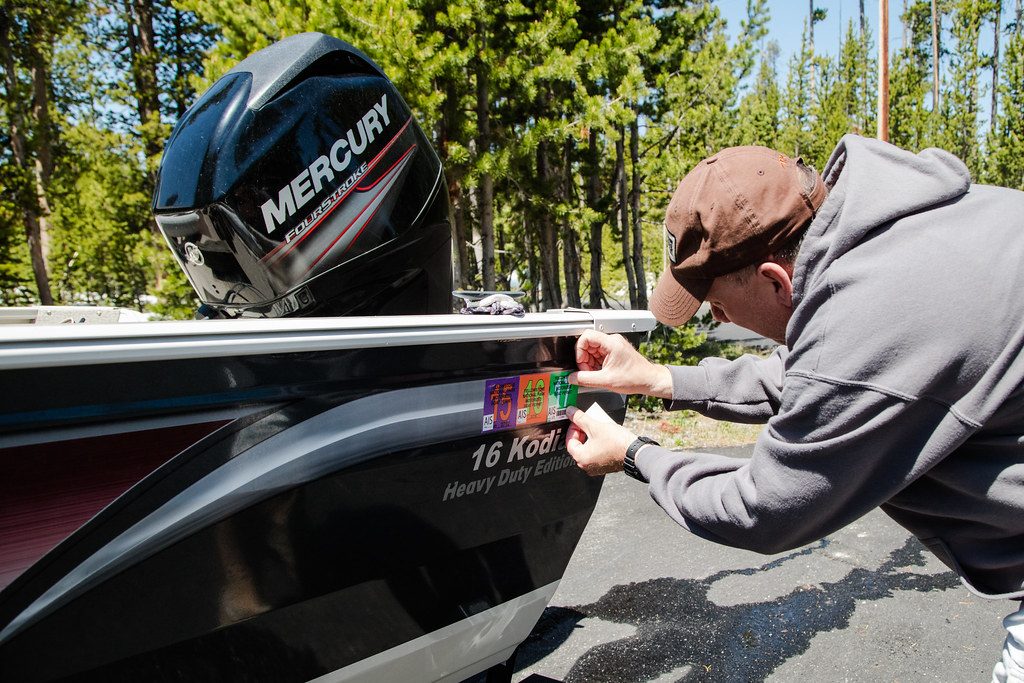
Yellowstone Lake operates under a mandatory permit system for all watercraft, motorized and non-motorized alike. Every boat, kayak, canoe, paddleboard, and float tube requires both a valid permit and a passing aquatic invasive species inspection before launch. Understanding the permitting process and inspection requirements ensures a smooth start to your time on the lake.
Quick answer
A yellowstone lake boat permit costs 20 USD for non-motorized vessels and remains valid for seven days. All watercraft must complete an aquatic invasive species inspection before launching, with inspections available daily from 08:00 to 16:30. The permit itself does not authorize launch until the inspection clears your vessel, and both documents must remain with the boat while on the water.
Yellowstone Lake is the largest high-elevation lake in North America, sitting at 7,733 feet with water temperatures that rarely exceed 60°F even in summer. Its cold, oligotrophic ecosystem supports a genetically pure population of native cutthroat trout and serves as critical habitat for species found nowhere else. That ecological sensitivity drives the park's strict permitting and inspection regime. Every watercraft entering Yellowstone waters faces the same two-step gatekeeping process regardless of size or propulsion. The yellowstone lake boat permit establishes legal authorization to launch within park boundaries, while the aquatic invasive species inspection ensures no organism, seed, or contaminant hitches a ride from external watersheds. Inspectors examine hulls, bilges, live wells, and any surface that contacted water elsewhere. Boats arriving with standing water, visible organic material, or felt-soled waders face decontamination or denial. The protocol is non-negotiable and enforced at every lake access point. Permit acquisition itself is straightforward but requires in-person completion. No online or advance reservation system exists; boaters obtain permits at staffed ranger stations and visitor centers during operational windows. The process includes a brief orientation covering weather hazards, bear activity near shorelines, and the lake's unpredictable wind patterns. Afternoon storms build quickly over the Absaroka Range, and the park records multiple capsizings each season among paddlers who misjudge conditions. Watercraft remain subject to inspection even after the initial clearing if they leave park boundaries and return, or if they move between separate Yellowstone watersheds. The park treats each drainage as a discrete biosecurity zone. A kayak permitted and inspected for Yellowstone Lake cannot launch on the Snake River or Lewis Lake without a new inspection cycle, even though the same seven-day permit covers all park waters. Boaters planning multi-day itineraries across different drainages should budget inspection time at each transition. The permit system exists to protect what remains: Yellowstone Lake once held the largest inland cutthroat trout population in the world before illegal introductions of lake trout decimated native stocks. Invasive mussels, already present in waters within 200 miles of the park, would collapse the entire food web if they gained entry. Every hull inspection, every permit check, every delayed launch is a calculated defense of an irreplaceable system.
“Yellowstone Lake sits at 7,733 feet with water temperatures that rarely exceed 60°F, making it the largest high-elevation lake in North America.”
The permit office is open daily to facilitate the required boat inspections and permit issuance for Yellowstone Lake. Visitors should plan their arrival within the designated window to ensure enough time for the mandatory aquatic invasive species inspection.
Yellowstone Lake's permit system protects native cutthroat trout from invasive species and ensures boater safety in high-altitude conditions. Compliance with AIS inspection and equipment requirements is mandatory before launch.
Everything you need to know about yellowstone lake boat permit
Yes, all vessels entering park waters must have a valid permit. This requirement ensures that all motorized and non-motorized watercraft comply with safety and aquatic invasive species regulations.
The entrance fee for a non-motorized boat permit is 20 USD. Please note that prices are subject to change based on official park guidelines.
You can acquire your watercraft authorization directly at the lake facility. Staff are available on-site to assist with the necessary documentation and processing.
Yes, mandatory aquatic invasive species (AIS) inspections are part of the process. These inspections protect the ecosystem from non-native plants and animals that could harm the lake.
The standard non-motorized boat permit is valid for a 7-day duration. This allows you ample time to explore the waters during your park visit.
The best arrival window for obtaining a permit and completing an inspection is between 08:00 and 16:00. Arriving within this timeframe ensures staff have sufficient time to process your equipment.
Can You Boat in Yellowstone Lake
Read more GuideCan You Swim in Yellowstone Lake
Read more GuideYellowstone Lake Boat Tour Reviews
Read more GuideYellowstone Lake Scenic Boat Tour
Read more Tickets & toursYellowstone Lake Boat Tour Tickets
Read more GuideCan You Rent a Boat on Yellowstone Lake
Read more